





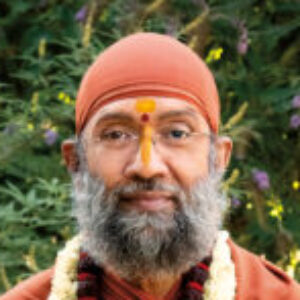
This course provides a comprehensive study of mindfulness, concentration, and absorption as delineated in the classical Yoga Sūtras and the philosophy of Vedānta. His Holiness Swami Vidyadhishananda presents this course on meditation, not as a mechanical technique, but as a natural progression of awareness refined through discipline, reflection, and grace.
The curriculum begins with preparatory practices that calm the body and quiet the fluctuations of the mind. Through effortless observation of the natural breath and the subtle current of inner sound, students learn how stillness arises spontaneously. These foundational lessons establish mindfulness as a poised state of awareness that matures naturally into concentration.
What this Course Includes
XYZ
What You Will Learn
- Understand the difference between mindfulness, meditation, and absorption (samādhi).
- Learn how breath and sound guide the mind from mindfulness into meditation.
- Identify the five symptoms of distraction and how they affect meditation.
- Recognize the nine classical impediments described in the Yoga Sūtra.
- Learn how distraction arises and why meditative stability is difficult.
- Understand the principle of eka-tattva (single-principle practice).
- Explore the three classical stages of progression in meditation: dhāraṇā, dhyāna, and samādhi.
- Develop correct aspiration and inner readiness for meditation.
Description
Subsequent classes introduce the classical analysis of distraction as described by Patañjali. Learners study the five characteristic symptoms (sorrow, frustration, restlessness, irregular inhalation, and irregular exhalation) and examine how these signs reveal the agitated condition of the distracted mind. Alongside this, seekers learn to discern worldly pain from the noble form of spiritual pain (viraha-vedanā), also known as the yearning that arises from perceived separation from the Divine, which, unlike ordinary sorrow, refines devotion and deepens one’s inward focus.
The course then examines the nine inner impediments that disturb meditation, including: illness, stagnation, doubt, negligence, sloth, overindulgence, delusion, inability, and instability. Through citations and explanations of the classical commentary by Sage Vyāsa, these obstacles are examined in their physical, emotional, and spiritual dimensions. Seekers discover how ethical clarity, disciplined rhythm, and devotional faith dissolve these hindrances and strengthen concentration.
The true nature of meditation is realized through the principle of eka-tattva, or single-principle practice. Lessons on dhāraṇā (steady attention), dhyāna (continuous flow), and samādhi (complete absorption) reveal the seamless progression from mindful awareness to unified consciousness.
By completing this course, aspirants gain both philosophical understanding and experiential insight into meditation as the effortless return of the mind to its own luminous source.
Course Content
Introduction
About Instructor

Course Includes
- 19 Lessons
- 18 Topics
- 5 Quizzes